.
Just various PC Woke labels, or a real difference?
‘Cheer up!’
A story first. A few decades ago, a friend and I were going down to the shops one afternoon.
My friend had a physical disability and used a wheelchair to get around, and a spelling board, to which he pointed in order to communicate.
At one point we passed a resident, out pruning her flowers (or hedge or something, I forget).
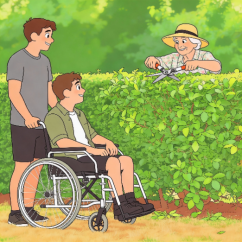
She greeted us and we chatted for a minute or so, very companionably, before we went on our way.
As we parted, the lady, with the best of intentions, told us to ‘cheer up’ because doctors were developing new medicines every day and she was sure they would find a ‘cure’ for my friend soon.
We looked at each other, exchanged a glance, and both made a separate but identical decision to say nothing and smile pleasantly, till we were out of site then exchange a wider grin.
She as a pleasant person, and meant well, but what she said didn’t make sense, though we both decided to let it slide.
.
‘Disabled, not sick’
What that nice woman said was odd to us, because a ‘cure’ could not be found for my friend, as he wasn’t sick. He was a perfectly healthy person with Cerebral Palsy, a physical disability (He did drink a little more than was strictly healthy, but so did I back then – we were young😊).
People with that disability have a different range of physical movement – they might have a 15 or 20 degree range of elbow movement when others might have 120 degrees for instance – and a different degree of control over the physical structure which lets us speak.
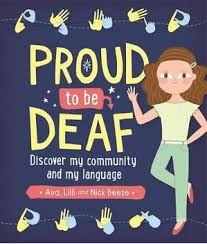
But that’s lifelong, consistent and just who they are, the same as many deaf people don’t identify as ‘failed hearing people’ but as successful deaf people.
You don’t ‘cure’ a disability like cerebral palsy in adults – you manage it, plan around it and learn to live with and within it.
Now, there were a few illnesses/medical conditions which people like my friend with different musculature than other people were more prone to develop than other people – curvature of the spine, grinding of teeth – but these were separate and variable results of the way their bodies worked, not an intrinsic or defining characteristic unique to people with Cerebral Palsy
Acting to resolve, or change or ‘cure’ those conditions did make sense, and was attempted.
.
‘So what does that mean for us?’

Similarly I, as a person with a psychosocial disability have a different range of ‘emotional movement’ – when I get discouraged I often stay that way longer than other people do, or ‘cognitive movement’ and when random thoughts pop into my head, as they do for all of us, they can stick around longer for me than for other people at times.
But that’s not ‘illness’ it’s who we are, like my friend’s restricted range of movement.
Now, I am quite willing to admit that people like me, like people with other disabilities, may be more prone to certain medical conditions than others, and I welcome assistance when the sadness develops into Clinical Depression, or the random thoughts into OCD or whatever.
But like scoliosis and bruxism are sometime ‘co-morbidities’ with CP not a defining part of or synonymous with it, so the experiences we currently label as ‘mental illnesses’ are not what psychosocial disabilities are, are not our lives.
.
‘And this matters why?’
This is an important distinction as it alters the emphasis on how society interacts with us and how we think of ourselves.
It’s reasonable to seek a remedy for an illness or injury, the goal being to get back to a ‘healthy’ state – homeostasis or ‘normality’.
But the appropriate response to a disability is management – and respect for diversity – making changes in the world to reduce the impact of a disability on day to day life.
So if someone is so overwhelmed by cumulative challenging events, by one disaster or by reduced coping to the point where a diagnostic label becomes a useful description of the situation, then of course It’s very reasonable to attempt some intervention to deal with what happens when anyone is overwhelmed for a while.
However, if someone has a ‘psychosocial disability’ and something in their life and the way they do things is just different from other people do things, different enough that it doesn’t ‘make sense’ to other people, that may not be something that needs or is susceptible to ‘curing’, any more that you’d attempt to ‘cure’ cerebral palsy. It may be the baseline differences which define a ‘disability’. It may be just spmeone being who they are.
.
“Different not Less.”
If there are times when someone is supposed to be doing a particular thing and can’t stop thinking about a different particular challenge or trauma the solution might not be to attempt to ‘alter their brain chemistry’; it might be to adapt the environment to their disability. The solution might be to give them time to work through the second thing, to arrange for the first thing to be done later or to ask them what they need to move on.
And sometimes – just sometimes – the appropriate response is to work with them to address whatever they are ‘ruminating’ or ‘obsessing’ about. Because sometimes, our difference is not only not less – sometimes it is ‘more.’
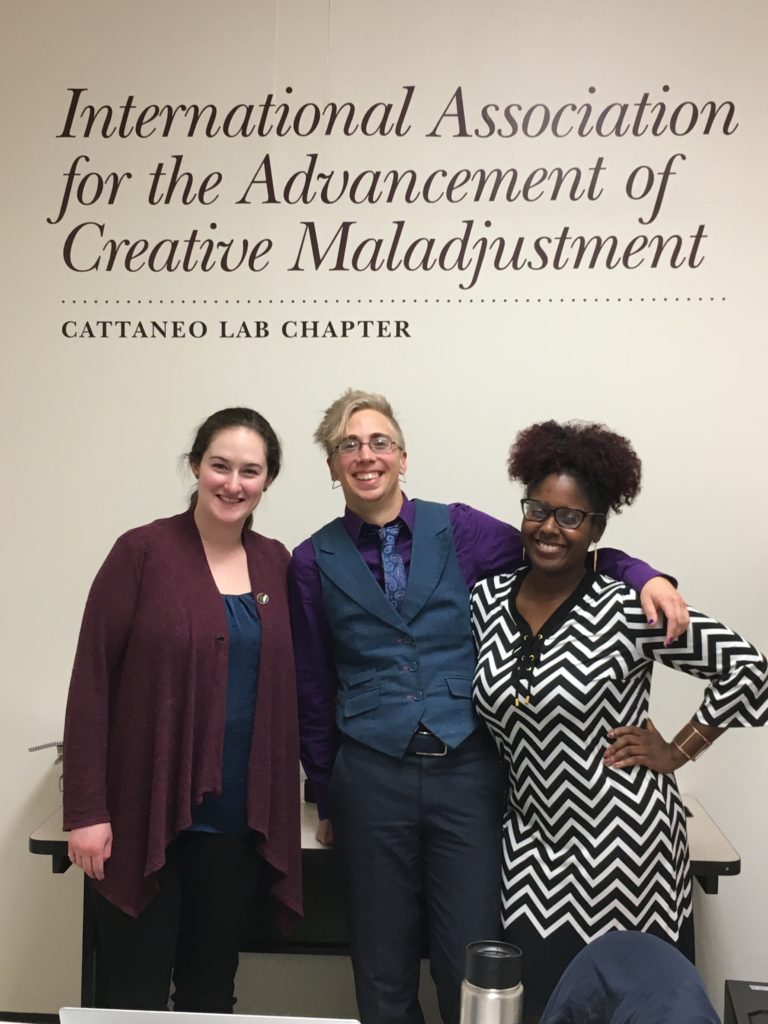
Indeed, Martin Luther King in 1956 called for the creation of ‘The International Association for the Advancement of Creative Maladjustment’ because “there are some things in our society, some things in our world, to which we should never be adjusted.”
Different from most other people need not mean less than them, or that we need to be made ‘better’ to be like them.
‘You can’t use the word Mad’
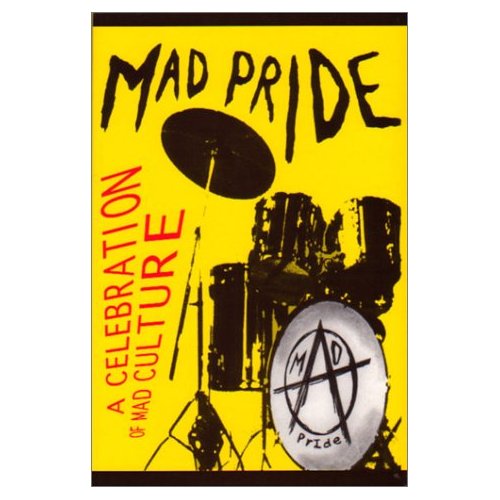
This is where ‘Mad Identity’, ‘Mad Ethnicity’ and ‘Mad Studies’ come from; like those who reclaim the previously pejorative word ‘Queer’, those of us who identify as ‘Mad’ are accepting of efforts at ‘othering’ us, accept their efforts to identify us as ‘not normal’, and asking in return, ‘So What?’
My Personal take on this
I learned to accept being ‘different’ when I was building my life again as a young adult.
I learned to call that difference ‘psychiatric disability’ (now I prefer ‘psychosocial’* ) when I began to work in the disability field, and met people open and honest about being like me.
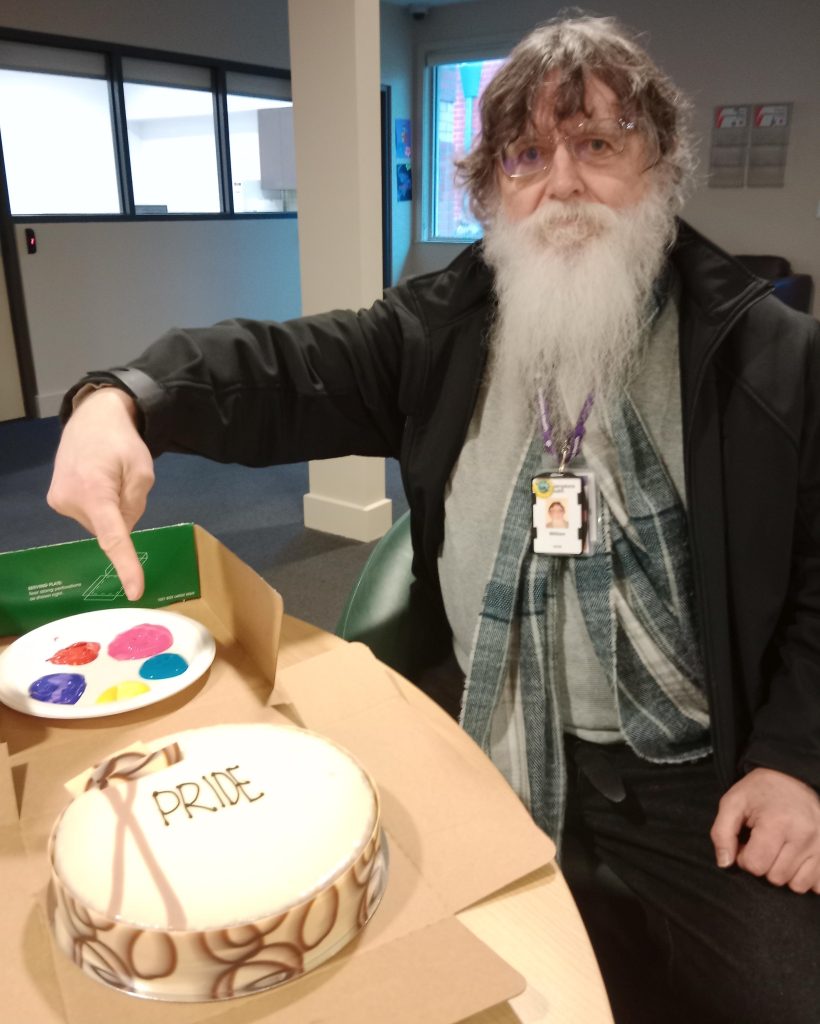
But in the last years I have learned to be proud of being part of a group that survives severe stresses and challenges, that owns so much knowledge and creativity, and that manages to care for each other more often than not.
.
By ‘Mad’ Bill Moon
.
* Much as I respect our psychiatric colleagues, we don’t call disabilities like my friend’s ‘physiotherapeutic disabilities’ so I don’t favour the term ‘psychiatric disability – though I will still use it sometimes, for clarity with particular audiences or out of habit.
.
.
.